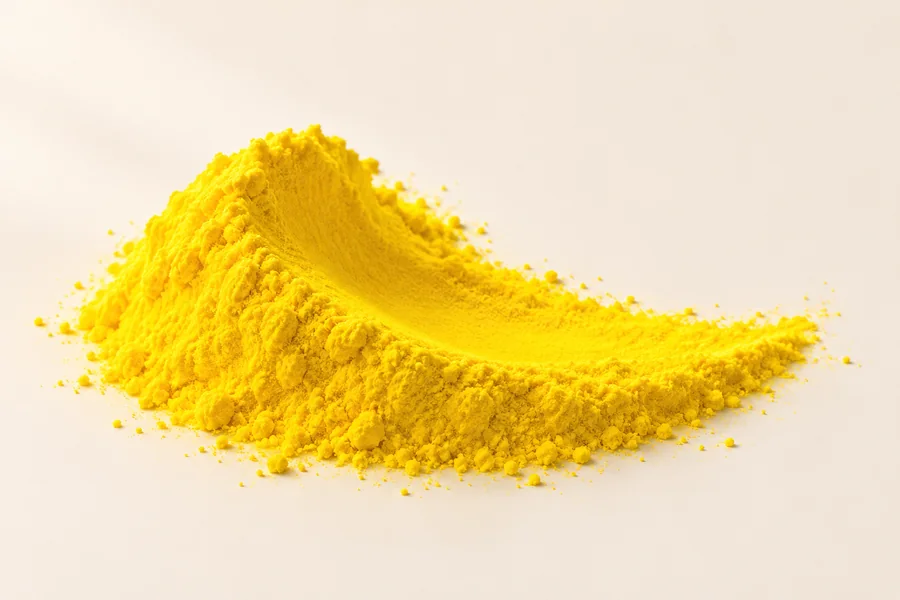
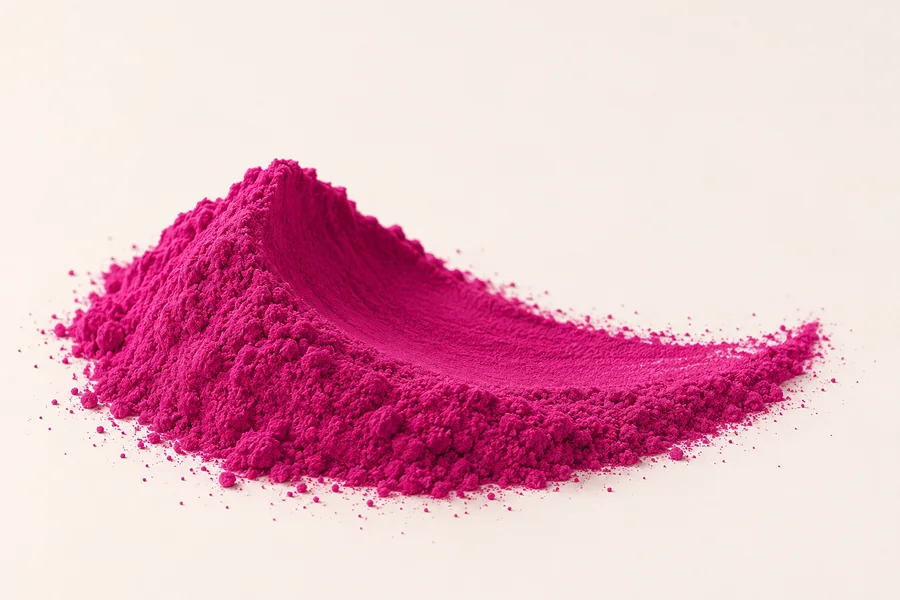
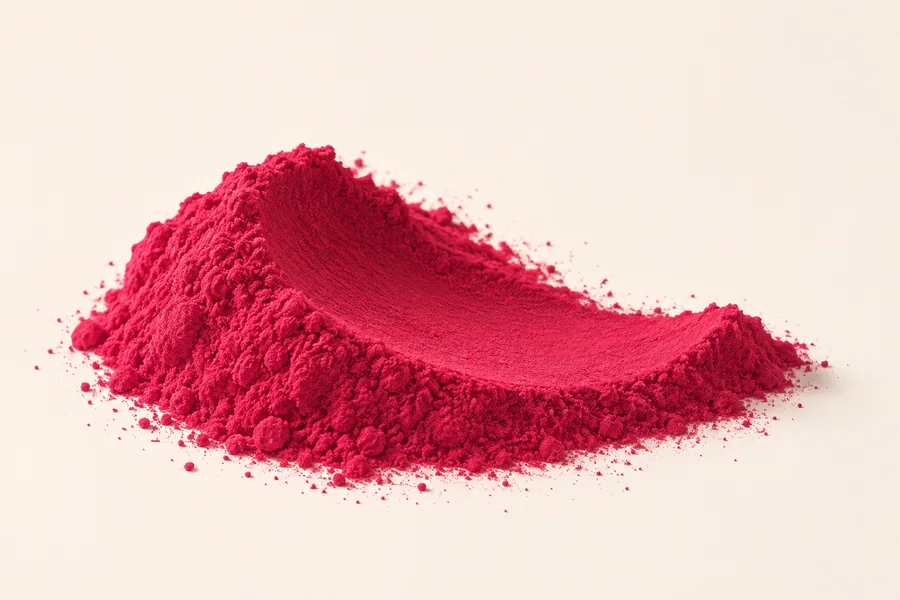
Huabao supplies organic pigment powders for colour ink development. Use the substrate and production process to plan how you will evaluate the dispersion and the finished ink.
Pigments for water-based DTF heat-transfer inks
Direct-to-film (DTF) printing places a full-colour image on transfer film. Heat and an adhesive layer bond the image to a garment. Choose a yellow or magenta pigment powder against the shade required after transfer.
Check jetting and ink laydown on the intended film. Evaluate release, colour change and wash durability with the intended adhesive powder, white underbase where used, garment and pressing conditions.
Pigments for DTG direct-to-garment inks
Direct-to-garment (DTG) ink applies colour directly to the fabric. Select the pigment and dispersion route for the target shade, then evaluate the ink with the intended binder, fabric and pretreatment.
Check jetting and dot spread on the garment. Compare dry and wet rubbing fastness, wash durability and fabric feel after fixation.
Pigments for powder-free textile heat-transfer inks (GTF)
Powder-free garment transfer omits the step of applying loose hot-melt adhesive powder. Glue-to-film (GTF) is one implementation. The colour ink, film and bonding layer are selected as part of the complete transfer process.
Evaluate the colour dispersion with the intended film and adhesive. Check film wetting, image edges, release and garment adhesion, then assess wash durability after pressing.
Pigments for roll-to-roll and single-pass textile inks
Roll-to-roll describes the way a fabric web is fed and collected. Single-pass describes print architecture, with the fabric passing under a fixed printhead array. A continuous fabric line can use both.
Qualify the pigment dispersion and ink at the target production speed. Check filtration, sustained jetting and colour uniformity across the web, then evaluate drying and fixation on the production fabric.
Pigments for desktop and office inkjet inks
For colour documents and graphics, select the pigment against the target shade and the intended paper set. Check colour density and edge definition on plain and coated media used in the application.
Use the target desktop printhead to evaluate nozzle recovery after idle periods. Compare drying, rub resistance and storage stability in the finished ink.
Pigments for water-based corrugated packaging inks
Aqueous inkjet formulations can serve colour graphics on corrugated cartons, displays and printed liners. Evaluate shade and density on the intended white, kraft or coated liner stock.
At the intended production speed, check dot spread, drying, rub resistance and the effect of any primer or coating. Agree on the specific packaging use before reviewing material requirements.
Pigments for aqueous POD book printing inks
Water-based production inkjet serves print-on-demand (POD), short-run publishing and reprints of colour books, textbooks and illustrated materials. A web-fed press is one production option. Select the colour pigment and dispersion against the paper grade and printhead.
Check colour density, fine detail, show-through and rub resistance on the real paper. Evaluate drying at the intended press speed and include folding or binding in the qualification trial.